A Helpful Guide to Fertility Care, Clinic Choices, and Treatment Costs

September 26, 2026 · 23 reads
Introduction
Planning for a baby with medical help can feel confusing. Many people look at fertility clinics and feel lost. Treatment costs can change quickly from one clinic to another. Success numbers look tricky, and travel choices add more questions. Also, people must pick between many treatments. You need clear facts before you make big life choices. Learning about your body and your options brings peace of mind. An independent website like IVFHospitalsNow.com helps you start this learning journey. It shares neutral facts so you can study fertility care at your own pace. You can read about doctors, treatments, and prices in simple words. This extra knowledge helps you speak clearly with your doctor. Every family journey is special, so taking your time to learn is wise.
What is IVFHospitalsNow.com
IVFHospitalsNow.com is an independent health platform for patient education and provider discovery. It does not treat patients or sell medical plans. Instead, it helps people learn about fertility care in simple words. The website gathers clear facts about clinics, tests, and care plans. You can research care options without feeling pushed by sales ads. The site shows facts about clinic locations, doctors, and treatments. It also helps you understand treatment prices across different regions. You can find key questions to ask your doctor during your visits. It acts like a friendly map for your family-building research. With this free guide, you gain knowledge before making important choices.
Start by Learning About IVF Clinics
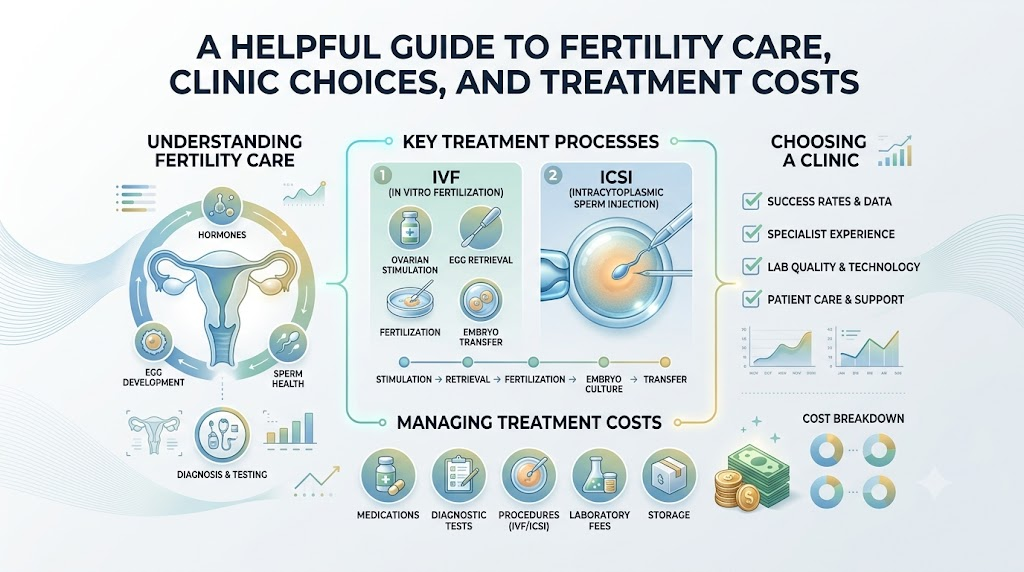
An IVF clinic is a medical center that helps people have babies. Doctors and scientists work together inside these centers. They test your body to see why a pregnancy has not happened yet. These clinics offer treatments like in vitro fertilization, which people call IVF. During IVF, doctors join an egg and a sperm in a special lab. Clinics also offer ICSI, which means placing one sperm directly into an egg. You can also get IUI, which places washed sperm inside the womb. Some people use egg freezing to save healthy eggs for later years. Clinics also run blood tests, scan body organs, and provide hormone medicines. Every clinic has different doctors, lab tools, prices, and patient support teams. Because clinics differ so much, you should always compare several options before choosing.
What Should You Check Before Choosing?
You need to check several key facts before you pick any clinic. First, look at the treatment options to see if they fit your needs. Next, check the experience of the doctors and lab scientists. The quality of the laboratory matters because embryos grow there for days. You must also check the full treatment price to avoid sudden surprises. Study the success data, but remember numbers never tell the whole story. Ask about patient support, because kind counseling helps you feel calm. Also, think about the clinic location and travel time for each visit. Lastly, check clinic rules to ensure you qualify for their care plans.
| Factor | Why It Matters |
| Treatment options | Shows what care the clinic offers |
| Doctor experience | Helps you understand the care team |
| Lab services | Supports IVF and embryo care |
| Full cost | Helps avoid surprise fees |
| Success data | Gives useful treatment context |
| Patient support | Helps with the care process |
| Location | Affects travel time and comfort |
| Eligibility rules | Confirms who can get treatment |
Understanding IVF Treatment Cost
The total IVF treatment cost changes for many reasons. Basic clinic fees cover doctor visits, egg collection, and lab care. But you often need extra items that cost more money. Daily hormone medicines help eggs grow, and these medicines carry separate bills. You also pay for blood tests, ultrasound scans, and special lab procedures. If you have extra embryos, you pay for freezing and yearly storage. Some people also need extra treatment cycles to achieve a pregnancy. Because of these add-ons, advertised base prices often do not show your true final bill. Always ask for a written list of every possible cost beforehand.
What to Check Before Choosing an IVF Clinic
| Factor | Why It Matters |
| Treatment options | Shows what care the clinic offers |
| Doctor experience | Helps you understand the care team |
| Lab services | Supports IVF and embryo care |
| Full cost | Helps avoid surprise fees |
| Success data | Gives useful treatment context |
| Patient support | Helps with the care process |
IVF Cost Comparison Table
Fertility prices vary across clinics, cities, and countries. Your personal body needs will also change your final bill. Never trust a single price tag without asking clear questions first. Use this guide to check every fee with clinic staff.
| Cost Area | Question to Ask |
| IVF cycle | What does the main fee cover? |
| Medicine | Are fertility medicines included? |
| Testing | Are tests included? |
| Egg collection | Is the procedure included? |
| Lab work | Are lab services included? |
| Embryo transfer | Is transfer included? |
| Freezing | Is freezing included? |
| Storage | What is the storage fee? |
How to Read IVF Success Rates
Many people look at clinic success numbers first, but numbers need careful reading. One single percentage cannot predict what will happen to your body. Your age plays a major role in egg and sperm health. Your personal health diagnosis also changes how your body responds to medicine. High success numbers might come from younger patients or donor eggs. Also, notice if a clinic reports positive pregnancy tests or actual live births. A positive test is nice, but a healthy baby going home matters most. Some clinics also report numbers across several treatment cycles instead of just one. So, always ask what each statistic actually measures before you trust it.
IVF Clinics Near Me or IVF Treatment Abroad?
You can visit local clinics or travel to another country for care. Searching for IVF clinics near me lets you stay close to home. Local care means less travel stress and easy visits for quick checkups. You sleep in your own bed and see your regular support group. But some people choose IVF treatment abroad to find lower prices or special treatments. When you compare IVF cost by country, you must look past basic clinic fees. You have to pay for plane tickets, hotels, local rides, and food. Also, other countries follow different legal rules for donor eggs, donor sperm, and patient age. Language barriers and long flights can add stress to your body. Think about all these points before you decide to travel far.
Real-Life Scenarios / Experiences
- Local Treatment Choice: A couple picked a clinic near their home so the wife could work during morning visits. They paid a bit more for clinic visits, but they saved money on hotels and flights.
- Cross-Border Care Plan: A patient traveled to another country because local laws stopped her from using donor eggs. She had to stay three weeks in a hotel, which added to her total trip cost.
- Medicine Fee Surprise: A young couple chose an affordable clinic package, but they forgot about hormone shots. The pharmacy bill added a large extra fee to their overall treatment budget.
- Extra Embryo Storage: A family created four healthy embryos during their first IVF cycle. They transferred one embryo and paid yearly storage fees to save the remaining three embryos.
ICSI vs IVF
Standard IVF and ICSI are two ways to help sperm fertilize an egg. In standard IVF, scientists put an egg in a dish with thousands of sperm. The strongest sperm swims through the egg wall on its own. In ICSI, a scientist picks up one single sperm with a tiny needle. The scientist then injects that sperm straight into the middle of the egg. Doctors often suggest ICSI when sperm counts are low or sperm swim slowly. Neither method is better for every patient. ICSI costs extra money because it requires delicate lab work. So, ask your doctor why they recommend standard IVF or ICSI for your care.
Fertility Treatment Options
IVF is a famous choice, but it is not the only fertility option. Many doctors start with simple fertility medicines to help your body release eggs. Another common choice is IUI, where doctors place washed sperm into the womb. If these paths do not work, doctors may suggest IVF or ICSI. Younger adults who want to delay pregnancy often choose egg freezing. Before you try any treatment, doctors run simple blood and scan tests. These tests find the exact reasons behind your fertility challenges. Your doctor builds a care plan based on your unique body needs.
Egg Freezing Cost
Egg freezing lets a person save healthy eggs for the future. You take daily hormone medicine to grow several eggs at once. Next, a doctor collects the eggs during a short clinic visit. Scientists freeze the eggs in cold liquid tanks until you want them. The total egg freezing cost includes initial doctor visits, blood tests, and scans. You also pay for the daily medicines and the collection procedure. Clinics charge an extra fee to freeze the eggs safely. After that, you must pay storage fees every single year. The first price you see rarely covers the cost of thawing and using eggs later.
Common Mistakes to Avoid When Choosing Care
- Looking only at price: Choosing the cheapest clinic can lead to surprise fees for tests and medicines. Ask for the full cost upfront.
- Believing high percentages: High success rates may only reflect young patients or donor eggs. Ask for rates that match your exact age group.
- Skipping lab checks: A weak lab can hurt embryo growth. Ask about the clinic lab setup and scientist certifications.
- Ignoring travel stress: Long drives for morning scans can tire your body. Pick a clinic location that fits your daily routine.
- Missing medicine costs: Advertised packages often leave out expensive hormone drugs. Always request a clear estimate for your pharmacy needs.
- Not checking doctor credentials: Some centers use changing staff instead of steady experts. Confirm that an experienced specialist manages your care.
- Forgetting storage fees: Freezing extra embryos or eggs brings yearly rental bills. Check how much the clinic charges for long-term storage.
- Failing to ask about extra cycles: Many people need more than one try to get pregnant. Ask what a second or third cycle will cost before starting.
Simple IVF Clinic Comparison Plan
- Pick three to five fertility clinics that catch your interest.
- Prepare a list of simple questions to ask each clinic.
- Compare the medical services and treatments each clinic offers.
- Review the full cost list, including medicines and storage fees.
- Study clinic success data for patients in your age group.
- Check travel needs, driving times, and hotel options.
- Ask about patient support groups and nurse contact hours.
- Share your notes with a doctor to choose your best path.
IVF Cost Areas to Check
| Cost Area | Question to Ask |
| IVF cycle | What does the main fee cover? |
| Medicine | Are fertility medicines included? |
| Testing | Are tests included? |
| Egg collection | Is the procedure included? |
| Lab work | Are lab services included? |
| Embryo transfer | Is transfer included? |
| Freezing | Is freezing included? |
| Storage | What is the storage fee? |
Role of IVFHospitalsNow.com
IVFHospitalsNow.com helps you organize your fertility research in one quiet place. The site shares clear education about treatments, lab methods, and safety. You can discover clinics across many cities and countries without sales pressure. It explains common treatment fees so you can plan your family budget. The platform breaks down complex success numbers into clear language. You can also read about foreign health laws if you plan to travel. Remember, the site is an educational guide and not a medical clinic. It gives you clear facts so you can talk with doctors easily.
Frequently Asked Questions
1. What is an IVF clinic?
An IVF clinic is a medical center that helps people have children. Doctors and scientists work together to check your reproductive health. They run tests on your blood and body organs to find problems. Then they offer treatments like hormone medicines, IUI, or IVF. These centers have special labs to join eggs and sperm safely.
2. How much does IVF treatment cost?
IVF treatment costs change based on your clinic and treatment plan. A single round often includes clinic visits, egg collection, and lab care. But you must also pay for medicines, scans, and blood work. Extra steps like embryo freezing add more fees to the total. Ask your clinic for a full written price sheet.
3. How do I read IVF success rates?
Success rates show how often treatments lead to pregnancy or live births. But high numbers do not promise that treatment will work for you. Results change based on your age, egg quality, and health history. Always check if a rate shows positive tests or actual live births. Ask for numbers that match your personal age group.
4. How can I compare IVF clinics?
You can compare clinics by looking at doctor skills, services, and total fees. Check what treatments their lab handles on site. Read about their patient care and counseling support options. Also, look at how close the clinic is to your home. Make a list of three centers and ask each the same questions.
5. Should I search for IVF clinics near me?
Looking for local clinics helps you avoid the stress of long travel. IVF needs many morning visits for blood tests and ultrasound scans. A local clinic lets you sleep in your bed and work normally. You also stay close to your family and friends for emotional support. It makes the treatment weeks feel much easier.
6. Why do people choose IVF treatment abroad?
Some patients travel to other countries to save money on treatment bills. Others go abroad because foreign clinics offer treatments that are illegal at home. For example, some countries have more open rules for donor eggs or sperm. But travel adds hotel bills, plane fares, and new legal rules. You must plan cross-border trips very carefully.
7. How does IVF cost by country differ?
Fertility prices vary across countries because of local living costs and health rules. Some nations offer lower medical fees, but travel expenses will raise your final spending. Also, foreign clinics may charge international visitors higher rates. You must add the cost of flights, hotels, food, and emergency care. Compare the full trip cost before you pack your bags.
8. What are my fertility treatment options?
IVF is only one way to treat fertility challenges today. Many people start with simple hormone pills or shots to release eggs. Others use IUI, which places sperm into the womb around ovulation. Doctors also use ICSI or egg freezing when special needs arise. A qualified fertility doctor will help you pick the right first step.
9. What is the difference between ICSI and IVF?
In standard IVF, scientists mix an egg with many sperm in a dish. The best sperm swims inside the egg without help. In ICSI, a scientist injects one sperm directly into an egg with a needle. Doctors use ICSI when sperm counts are low or sperm move slowly. Your doctor will explain if you truly need this extra step.
10. What is included in egg freezing cost?
Egg freezing costs cover doctor visits, hormone medicines, and egg collection surgery. Scientists also charge fees to freeze your eggs in a lab. After collection, you must pay storage fees every single year to keep them safe. The first bill does not cover the cost of thawing eggs later. Ask for a complete list of future fees.
11. Does one IVF cycle always work?
No, one IVF cycle does not guarantee a baby for every patient. Many people need two, three, or more cycles to achieve success. Your age and health play huge roles in every treatment cycle. Sometimes doctors adjust medicines after the first try to get better results. Talk with your doctor about what to expect across multiple attempts.
12. How does IVFHospitalsNow.com help my research?
IVFHospitalsNow.com gives you clear, neutral information about fertility care and clinics worldwide. It does not sell medical care, push treatments, or rank clinics. Instead, it explains treatments, costs, and success rates in simple words. It helps you prepare good questions for your medical team. You can use it as a helpful study guide before your visits.
Conclusion
Choosing fertility care is a big step that requires patient research and clear facts. Take time to compare clinics, full costs, lab services, and doctor skills. Study success data carefully, and think about local care versus travel needs. Resources like IVFHospitalsNow.com help you learn about treatment choices without any sales pressure. Always share your questions, medical history, and personal feelings with a qualified fertility doctor.
Leave a Reply