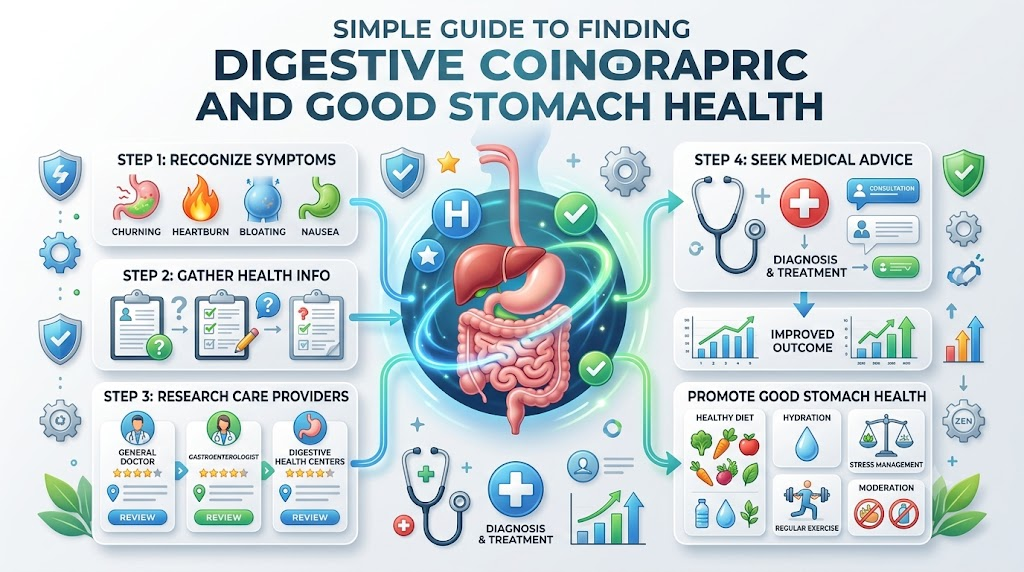
Simple Guide to Finding Digestive Care and Good Stomach Health

October 5, 2026 · 14 reads
Introduction
Your body needs food to give you energy every single day. Your digestive system breaks down meals so your body stays strong. Sometimes your stomach or intestines hurt because of health problems. Mild belly pain can pass quickly, but deep pain may need a doctor. A doctor can run tests to find the trouble early. This complete guide helps you learn about digestive care and medical centers. You will discover how doctors fix tummy issues and test your belly. We explain simple tests, major operations, and helpful stomach medicines. We also show you how to pick the right medical center. This guide makes every step clear and easy to read.
What Is Gastroenterology?
Gastroenterology is the medical branch that studies your tummy and guts. A gastroenterologist is a doctor who cares for your digestive system. These doctors treat your food pipe, stomach, small intestine, and large bowel. They also treat your liver, gallbladder, and pancreas. Food passes through all of these organs during digestion. Problems can happen anywhere along this path. You might visit this specialist if you feel bad cramps. People also visit when food makes them feel sick often. These doctors use tools to look inside your body safely. They help you heal so you can eat without pain.
How GastroHospitals.com Can Help
GastroHospitals.com is a helpful website for digestive health learning. The site helps families learn about digestive disorders and tests. You can read simple articles about gut pain and treatments. The platform also has a list of fifty top medical centers. It helps people find the best hospitals for gastroenterology. The site organizes details into easy care areas for readers. These areas include the liver, pancreas, gut health, and scopes. You can explore facts about doctors and medical tools easily. The site shares clear facts without pushing sales or ads. It helps you prepare good questions for your family doctor.
When Should You See a Gastroenterologist?
You should see a specialist when your belly pain does not stop. Ongoing stomach cramps mean your belly needs a careful check. Repeated heartburn is another clear warning sign to watch. Watery stool that lasts many days needs medical attention. Blood in your stool is never normal, so tell a doctor. Trouble swallowing your meals is also an important warning sign. Some people lose weight fast without even trying to diet. These signs mean you need expert advice soon. Get emergency care fast if you have sudden, unbearable belly pain. Always talk to a doctor about major changes in your body.
Common Digestive Disorders
Many people deal with common digestive disorders during their lives. Some tummy problems happen quickly and go away in days. Other issues stay for years and need regular care. Common problems include acid burn, bowel swelling, and bug infections. Your liver can also get sick from different causes. Sick organs cannot absorb food well, so you feel weak. A doctor can run tests to find the true cause. Then the doctor builds a treatment plan that fits your body. Getting help early prevents small issues from growing worse.
Common Belly Symptoms and Care
| Symptom | What it may need | Possible next step |
| Burning chest pain | Acid medicine and meal changes | Visit a gut doctor |
| Loose watery stool | Extra water and salt drinks | Rest and check stool |
| Blood in stool | Careful camera tests | Book an urgent exam |
| Deep liver ache | Blood tests and sound scans | See a liver specialist |
Gastroenteritis Treatment
Gastroenteritis is an infection in your stomach and gut. People often call this illness the stomach flu. A virus or bad food can trigger this illness suddenly. You may vomit, get loose stool, and feel stomach cramps. Good gastroenteritis treatment starts with drinking plenty of fluids. Water, clear broth, and oral salts protect your body from dehydration. Dehydration happens when your body loses too much water. Rest helps your immune system fight off the bug fast. But you must call a doctor if you cannot keep water down. High fever and dry mouth also mean you need medical help.
GERD Treatment
GERD stands for gastroesophageal reflux disease. This problem happens when stomach acid splashes up into your food pipe. Acid burns the soft lining of your throat and chest. You may feel a sharp burning sensation after dinner. Effective GERD treatment helps stop the acid from rising. Doctors often suggest eating smaller meals before bedtime. You can also raise your head while sleeping at night. Doctors may prescribe pills that lower stomach acid levels. If pills do not work, doctors test the food pipe. Some people may even need minor surgery to tighten the valve.
IBD Treatment
IBD stands for inflammatory bowel disease. It causes long-lasting swelling and redness inside the digestive tract. Crohn’s disease and ulcerative colitis are the two main types. People with IBD feel belly pain, tiredness, and bloody stool. Good IBD treatment helps calm the swelling inside the gut. Doctors use special medicines to quiet the body’s defense system. Doctors check the gut often to make sure it heals. Sometimes medicines do not stop the gut damage completely. In those cases, a surgeon can remove the damaged section. Every person needs a unique care plan to feel good.
Liver Disease Treatment
Your liver is a large organ that cleans your blood. It also makes bile to break down fats from food. Liver disease happens when the liver gets hurt or swollen. Viruses, fat buildup, or alcohol can cause liver damage. Proper liver disease treatment depends on the exact cause of the illness. Doctors use blood tests to see how the liver works. Patients take medicine to stop swelling and fight harmful viruses. A healthy diet and exercise also help the liver heal. Serious damage requires close care from a liver specialist. Doctors track liver health over time to keep you safe.
Colonoscopy Procedure
A colonoscopy procedure is a common medical test for the bowel. Doctors use this test to examine your large intestine. The doctor uses a thin, bendable tube with a light. A tiny camera on the tip sends pictures to a screen. Before the test, you must clean out your bowels completely. You drink a special liquid that empties your intestine. During the test, medicine helps you sleep so you feel nothing. The doctor looks for swollen areas and small bumps called polyps. The test takes about thirty minutes, and recovery is fast. You can go home once the sleep medicine wears off.
Gastrointestinal Surgery
Sometimes medicine cannot fix a deep digestive problem. In these moments, patients may need gastrointestinal surgery. A surgeon performs operations to repair or remove sick organs. A colectomy removes part of the large intestine to stop disease. A gastrectomy removes part of the stomach to help healing. Doctors also perform simple surgery to take out a sick gallbladder. Other operations fix parts of the liver or the pancreas. A surgical team plans every step carefully before your visit. The team explains the risks and the recovery time clearly. Your doctor helps you decide if an operation is right.
How to Compare Gastroenterology Hospitals
You should compare medical centers carefully before choosing one. Look for hospitals that have skilled digestive doctors on staff. Check if the center offers the latest gastroenterology treatments. Make sure the hospital performs standard scans and advanced surgery. Location matters because long car rides can hurt after tests. Always check if the hospital accepts your health insurance plan. Good hospitals have emergency rooms ready for sudden pain. They also provide clear follow-up care after you go home. Talk with your primary doctor to get a trusted hospital referral.
Important Points When Choosing a Hospital
| Factor | Why it matters | What to check |
| Doctor skill | Skilled doctors handle hard cases safely | Check doctor certifications |
| Modern tools | Good tools find small problems fast | Look for modern scope labs |
| Location | Travel can cause extra body stress | Find a center close to home |
| Insurance | Health care costs can grow quickly | Check covered network plans |
Real-Life Scenarios
- Ongoing heartburn after dinner: Mark felt chest burn every night for three whole months. He stopped drinking soda, but the chest pain stayed. He visited a specialist who diagnosed him with GERD. Daily medicine and smaller dinners helped him sleep without any pain.
- Sudden stomach flu: Sara ate street food and felt sick five hours later. She had watery stool and threw up three times. Her mom gave her water mixed with salt packets. Sara rested for two days, and her tummy healed on its own.
- Finding a polyps early: David turned forty-five and scheduled his first colon test. The doctor found two tiny bumps during the test. The doctor removed the bumps safely during the exam. The quick test stopped a bigger health issue from growing.
- Caring for long gut pain: Maya suffered from stomach cramps and fatigue for six weeks. Her doctor tested her stool and found gut swelling. She started taking anti-swelling pills for Crohn’s disease. Maya now visits her care team every six months for checkups.
Common Mistakes to Avoid When Choosing Care
- Ignoring belly pain: Many people wait weeks before telling a doctor about pain. Solution: Call a clinic if stomach pain lasts more than two days.
- Skipping colon tests: Some adults skip camera exams because they fear the test. Solution: Remember that sleep medicine keeps you comfortable throughout the exam.
- Drinking plain water only: Sick people often drink only water during severe diarrhea. Solution: Drink oral rehydration fluids to replace lost body salts.
- Stopping medicine early: Patients often stop taking acid pills once heartburn goes away. Solution: Always finish your full medicine plan as your doctor directs.
- Not checking insurance: Families sometimes visit clinics that do not take their insurance. Solution: Call your insurance company before booking your appointment.
- Picking far away centers: Patients travel far for minor tests and feel very tired. Solution: Choose a high quality local clinic for simple procedures.
- Self-treating chronic pain: People often buy drugstore pills to treat deep gut pain. Solution: Get an accurate medical diagnosis before taking unknown pills.
- Forgetting follow-up visits: Some patients skip follow-up visits once pain drops a little. Solution: Attend every review meeting so your doctor can track your gut.
How GastroHospitals.com Fits Into Your Research
GastroHospitals.com helps you organize your healthcare search from home. The platform gathers essential digestive information into one simple place. You can learn about illnesses before you meet a doctor. The site explains procedures so you know what to expect. You can also view details about leading hospital care units. It helps patients discover the best hospitals for gastroenterology. The educational guides teach you how doctors heal the gut. You can use this knowledge to speak with your care team. Finding trusted facts helps you feel calm about your medical care.
Frequently Asked Questions
1. What does a gastroenterologist do?
A gastroenterologist treats your entire digestive system. This doctor helps heal your stomach, bowels, liver, and pancreas. They find the cause of pain, acid burn, and swelling. They run camera tests to look inside your belly safely. They also give you medicines to help your stomach heal.
2. When should I see a gut doctor?
You should visit a doctor if belly pain lasts many days. See a doctor for blood in your stool or trouble swallowing. Constant heartburn and sudden weight loss are also major warning signs. A specialist will check your body to find the exact problem.
3. What is the difference between IBD and IBS?
IBD causes true physical swelling and tissue damage in the intestines. Doctors can see this redness during camera tests. IBS causes pain and bowel changes without damaging the gut wall. Both problems hurt, but they need very different medical treatments.
4. Does a colonoscopy hurt?
A colonoscopy does not hurt because you receive medicine first. The doctor gives you medicine that makes you sleep through the test. You will not feel the camera tube inside your body. You might only feel mild gas after you wake up.
5. How do doctors treat severe GERD?
Doctors treat severe GERD with lifestyle changes and daily pills. You should avoid spicy meals and stop eating late at night. Pills help lower the acid inside your stomach. Some patients need minor surgery to stop acid from escaping into the throat.
6. What causes a gastroenteritis infection?
Gastroenteritis happens when harmful bugs enter your stomach. Viruses, bad bacteria, or spoiled food can cause this infection. The bugs irritate your gut wall, leading to vomiting and loose stool. Washing your hands often protects you from catching these bugs.
7. Can liver disease be cured?
Many liver problems can heal if caught early by a doctor. The liver can regrow healthy cells when you treat it well. You must stop drinking alcohol and eat healthy meals. Doctors also give medicines to fight liver viruses and reduce swelling.
8. What happens during gastrointestinal surgery?
During surgery, a trained doctor repairs or removes sick gut parts. The doctor gives you medicine so you sleep through the operation. Surgeons can fix hernias, remove gallbladders, or cut out swollen bowel sections. Nurses help you recover safely in the hospital afterward.
9. How do I prepare for a bowel exam?
You must clean out your bowels completely on the day before. You will drink a special liquid that causes watery bowel movements. You must also avoid solid foods and drink only clear fluids. A clean bowel helps the doctor see everything clearly.
10. Are tummy aches normal in children?
Occasional belly aches happen often from gas, worry, or light constipation. Most mild stomach aches pass after a bowel movement or rest. But you must call a doctor if the pain is severe. Fever, vomiting, or blood in stool always need medical care.
11. What is the purpose of GastroHospitals.com?
GastroHospitals.com is an educational platform for patients and families. The site shares clear information on diseases, tests, and operations. It also features a directory of top digestive hospitals. The platform helps people research care options and prepare for doctor visits.
12. How do I choose the best hospital for gut care?
Look for a hospital with experienced digestive doctors and modern tools. Check if the center treats your specific illness or performs your test. Make sure the hospital accepts your insurance and is easy to reach. Ask your primary family doctor for a good recommendation.
Conclusion
Understanding your digestive health helps you protect your entire body. Stomach problems can be scary, but doctors have tools to help. Specialists can find the cause of pain and offer great treatments. Learning about tests, illnesses, and surgery gives you peace of mind. GastroHospitals.com can help you research top hospitals and gut care topics. Use this information to understand your body and prepare good questions. Never ignore deep belly pain or sudden changes in your bathroom habits. Always speak with a qualified doctor to choose the best medical path for you.
Leave a Reply