Understanding Initial Flight School Expenses And Essential Ground Instruction Study Plans

October 22, 2026 · 30 reads
Introduction
Flying an airplane takes careful planning, steady practice, and real money. You cannot rush into the sky without a clear study plan. You also need to save money for your flight hours. Many students feel lost when they look at all the flight rules. Best Pilots Now gives beginners a clear look at schools and courses. In this guide, you will learn the main steps to earn your wings. You will explore how to pick the best flight schools for your goals. We break down the true costs of airplane lessons. You will also see what working pilots do each day. This simple guide helps you begin your sky journey with total confidence.
What Does a Pilot Do?
A pilot flies an airplane safely from one airport to another. Pilots inspect engines, wings, and fuel tanks before every single trip. They check the clouds and winds to avoid bad storms. Airline pilots carry families and business travelers on big jet planes. Cargo pilots fly freight, mail, and packages across the globe at night. Private pilots fly small airplanes for personal travel or business trips. Safety always comes first in aviation. Pilots work closely with co-pilots and air traffic controllers to share quick updates. They make fast, calm choices when weather turns bad in midair. Flying requires sharp focus, deep study, and great teamwork every hour.
How to Become a Pilot
You must meet basic age and language rules before your first lesson. Most countries require students to speak English clearly for radio calls. You must pass an official medical check from an approved flight doctor. Next, you begin ground lessons in a classroom to learn weather, navigation, and flight laws. You also practice real takeoffs, turns, and landings with a certified flight instructor. After passing written tests, you complete a practical flying test called a checkride. This test earns you an official pilot license from your government. Always verify rules with your local aviation authority, because requirements vary worldwide. You can research these basic steps on bestpilotsnow.com.
How to Choose the Best Flight Schools
Finding the right school protects your time, wallet, and personal safety. You must check if the national aviation authority fully approves the flight academy. Visit the airport in person to inspect the planes and maintenance records. Talk to current students about instructor availability and weather delays. A good school employs skilled teachers and keeps backup aircraft ready for flight lessons. Best Pilots Now helps you begin early research on schools and fleets. Always verify all school claims, hidden fuel fees, and pass rates independently.
| School Selection Factor | What You Must Check | Why It Matters To You |
| Official Approval | Government aviation license | Ensures your flight hours count toward your license. |
| Fleet Size & Health | Number and quality of planes | Prevents long delays when an airplane needs maintenance. |
| Instructor Depth | Teacher experience and schedules | Gives you steady flight practice without losing your booking. |
| Location & Weather | Sunny days versus rainy seasons | Clear skies let you finish flying lessons much faster. |
| Pricing Transparency | Written fuel and exam rates | Protects you from unexpected surprise costs during training. |
Types of Pilot Training Courses
Different flying jobs require different pilot training courses. Beginners start with private pilot license training to master small light aircraft. This private license allows you to fly friends, but you cannot accept money for flights. Next, commercial pilot training teaches advanced flying skills so companies can hire you legally. After that, airline pilot training prepares pilots for large multi-crew airliners through rigorous jet courses. You also need type rating courses to operate specific large jets like a Boeing 737 or Airbus A320. Remember that exact flight requirements differ across different countries.
Understanding Pilot Training Cost
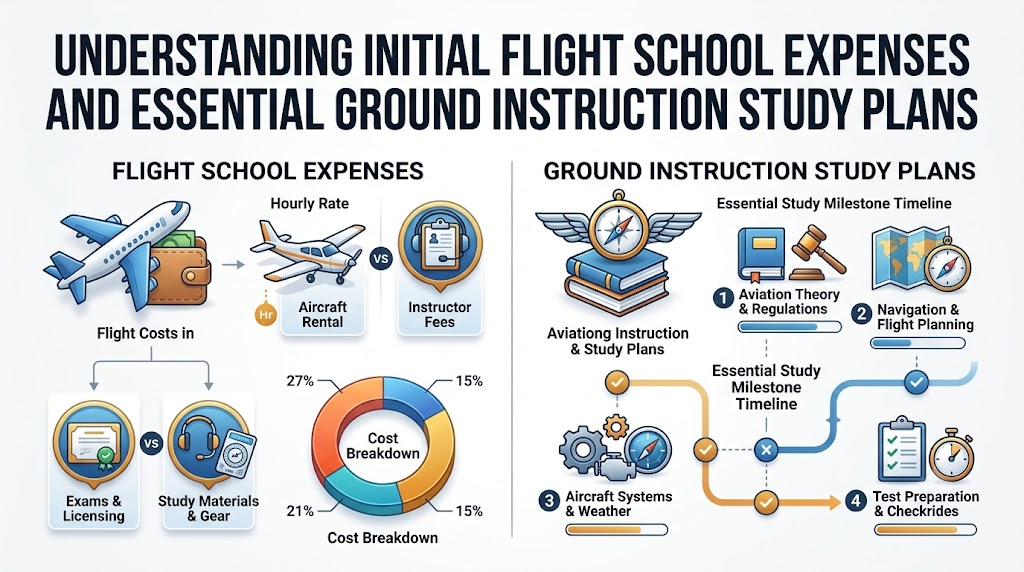
Pilot training cost varies because students learn skills at different speeds. The biggest cost comes from renting the airplane by the flight hour. You also pay for fuel, classroom books, flight instructor time, and official tests. Medical exams, headsets, and computer navigation charts add to your total spending. If you train far from home, you must pay for food and housing. Always ask flight schools for written price quotes before you sign any contract. Best Pilots Now provides helpful articles to help you compare general training budgets.
| Training Expense Item | Typical Description | Smart Budget Tip |
| Airplane Rental | Hourly cost for plane and fuel | Study procedures on the ground so you fly fewer extra hours. |
| Instructor Fees | Hourly pay for flight teacher | Arrive fully prepared for every brief to save money. |
| Ground School Books | Manuals, tests, and charts | Buy approved digital study guides to lower total costs. |
| Medical Certification | Official flight doctor exam | Complete this check first before spending money on flight hours. |
| Exam Fees | Written and practical flight tests | Pass tests on your first try to avoid paying retest fees. |
Medical Checks and Flight Safety
Aviation doctors check your eyes, ears, heart, and lungs during your physical exam. Good physical health ensures you can handle air pressure changes and cockpit stress. You do not need perfect eyesight, but glasses must correct your vision to standard. Safe pilots always use clear preflight checklists to catch broken parts early. They never fly into dangerous thunderstorms or push through extreme body fatigue. Check your country’s civil aviation health website to learn the exact physical rules.
Real-Life Scenarios / Experiences
- Mia plans her training budget: Mia visits three flight schools near her hometown to compare airplane rental fees. She asks each chief instructor about surprise fuel charges and exam fees. She chooses a school with clear prices and saves two thousand dollars.
- David prepares for his medical check: David books an appointment with an authorized aviation medical doctor before paying for flight lessons. He confirms his vision meets commercial standards early. This smart step prevents him from wasting money on lessons he cannot finish.
- Sara builds her flying experience: Sara finishes her commercial training and earns her flight instructor rating. She teaches new student pilots five days a week. She earns a paycheck while building the total hours needed for major airline applications.
Pilot Jobs and How to Hire a Pilot
Pilots find exciting jobs flying commercial airliners, cargo transports, business charters, and crop dusters. Many young pilots start out as flight instructors to build their required flight hours. You need a clean flying record, current medical stamp, and strong resume to win pilot jobs. Aviation companies check flight logbooks, reference letters, and license ratings before they hire a pilot. Best Pilots Now is developing a pilot directory to help employers discover certified aviators. The platform also plans future aviation job features to connect crews with flight operators worldwide.
Common Mistakes to Avoid
- Skipping the initial medical exam: Many beginners buy lessons before seeing an aviation doctor. If you fail the exam, you lose all your invested money. Book your medical visit first.
- Paying all tuition upfront: Some students pay entire school fees on day one. Schools can close suddenly and keep your cash. Pay in small steps as you complete each lesson block.
- Training with irregular gaps: Flying once a month causes students to forget core motor skills. You must repeat lessons and spend more money. Fly two or three times every week for steady progress.
- Ignoring ground school study: Some students only focus on flying the airplane. They fail written navigation and weather tests. Study your ground books daily to pass tests easily.
- Picking a school only by cheap price: Low prices often hide poor maintenance or old flight instruments. Broken planes delay your training for months. Pick schools with healthy aircraft and good safety records.
- Failing to verify school accreditation: Some programs lack official approval from national flight authorities. Your logged hours might not count toward your license. Confirm official approval on government aviation websites.
- Practicing without checklists: Beginners sometimes try to memorize cockpit steps without reading the paper guide. Small mistakes cause serious emergencies in the air. Read the printed checklist out loud on every flight.
- Ignoring local weather limits: New pilots sometimes take off in high winds or thick fog. Bad weather causes terrifying control problems. Stay on the ground whenever wind or clouds look unsafe.
How Best Pilots Now Can Help You Start
Best Pilots Now serves as a global aviation discovery hub for flight students and aviation lovers. The website shares honest guides on flight academies, airplane types, and career paths. You can explore pilot training courses and compare licensing steps across the globe. The platform offers clear articles on training costs and interview preparation. It is also creating a pilot directory and planned job features for the future. Visit bestpilotsnow.com today to jumpstart your personal flight research.
Frequently Asked Questions
1. How old do I need to be to begin flying lessons?
You can start flying lessons at any age with an instructor. But you must be sixteen to fly solo in most countries. You must reach seventeen to earn your private pilot license. Always verify your country’s specific age rules before you book lessons.
2. Do I need perfect twenty-twenty vision to fly planes?
No, you do not need perfect natural eyesight to become a pilot. You can wear glasses or contact lenses to correct your vision. An approved aviation doctor must check your eyesight during your physical exam. If your glasses correct your vision to standard, you can fly safely.
3. Can I work as an airline pilot with a private license?
No, a private pilot license only allows you to fly for fun or travel. You cannot fly for pay or carry paying passengers. You must earn a commercial pilot license to work for money. Major airlines also require an airline transport license.
4. How long does it take to earn a private pilot license?
Most students finish their private training in three to six months. The total time depends on your weekly schedule, personal study habits, and local weather. Flying two or three times each week helps you finish much faster. Bad winter weather can extend your overall training timeline.
5. What is ground school in aviation training?
Ground school is classroom learning where you study the theory of flight. You learn about aircraft engines, radio rules, weather patterns, and air navigation. Ground lessons prepare you for government written exams. You need ground knowledge to make safe choices in the air.
6. Why do flight schools charge different prices?
Flight schools charge different rates based on airport location, fuel prices, and fleet age. Modern airplanes with glass digital displays cost more to rent per hour. Older planes cost less, but they may need more maintenance. Compare complete price lists so you can avoid surprise fees.
7. What happens if I fail my flying checkride test?
Failing a test is not the end of your flying dream. Your examiner will explain exactly which flight tasks need improvement. You will fly extra practice hours with your instructor to fix those skills. Then, you can retake the test and earn your official license.
8. What is an aircraft type rating course?
A type rating course trains an experienced pilot to fly one specific large airplane. You learn the complex systems, flight controls, and emergencies for that exact jet model. Pilots take these courses in full motion simulators. Airlines require type ratings for jets like the Boeing 777.
9. Can I complete my flight training while working another job?
Yes, many student pilots train part-time on weekends or evenings. Modular training lets you pay for each flight lesson as you earn money. This path takes longer to finish, but it helps you avoid large bank loans. Keep your study habits regular to avoid forgetting skills.
10. Why do pilots need to build extra flight hours?
Airlines require hundreds of flight hours to prove you can handle dangerous weather and emergencies. Basic licenses provide early skills, but safety comes from real experience. Pilots build hours by working as flight instructors, banner towers, or skydiving pilots. Every hour in the air sharpens your judgment.
11. Does Best Pilots Now guarantee pilot jobs?
No, Best Pilots Now does not guarantee jobs or hand out flight licenses. The website is an independent aviation discovery and educational guide. It helps you research flight academies, understand training rules, and explore aviation careers. Its future directory will help connect pilots with employers over time.
12. How do flight instructors help student pilots succeed?
Flight instructors sit right next to you in the cockpit during every early lesson. They show you how to move the controls smoothly and recover from stalls. They teach you radio words and emergency safety steps. Their expert coaching builds the strong flying habits you need for life.
Conclusion
Becoming a licensed pilot takes dedicated study, regular cockpit practice, and smart budget planning. You must research schools carefully and compare training prices to protect your hard-earned money. Always verify medical standards and government flight rules with your national aviation authority. Using honest guides helps you pick the right aviation pathway without confusion. Best Pilots Now offers clear resources to guide your early research. Visit bestpilotsnow.com today to discover great flight training paths and start your journey toward the clouds.
Leave a Reply